Get Wall Insulation Installation
Wall insulation installation services help property owners improve comfort and energy efficiency by properly insulating walls in new or existing buildings.
Wall insulation installation is a practical upgrade for property owners looking to improve energy efficiency and comfort. Whether you're planning a renovation or simply want to enhance your property's thermal performance, exploring local contractors can help identify the best options for your specific needs. Comparing services and expertise from nearby professionals ensures you find a solution tailored to your property’s unique characteristics.
Understanding the benefits of proper wall insulation can make a significant difference in your planning process. Local service providers offer a range of solutions designed to meet various building types and conditions. Continuing to explore your options allows you to gather the information needed to make informed decisions about your insulation project and connect with experienced contractors in your area.
- Wall Insulation Installation - Ideal when upgrading an older home to improve energy efficiency and reduce heating and cooling costs.
- Attic Wall Insulation - Recommended for homeowners seeking to prevent heat loss through attic walls and improve overall home comfort.
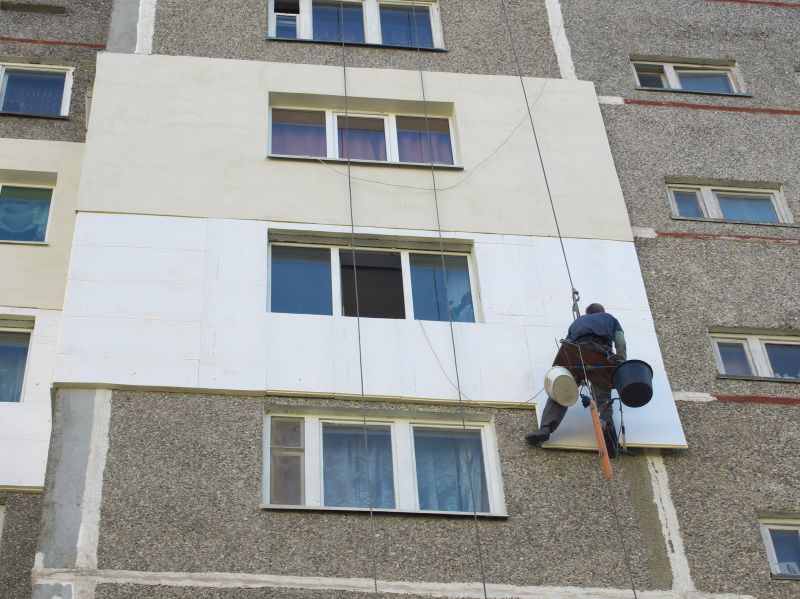
- Exterior Wall Insulation - Suitable for improving insulation performance in homes with limited interior space or existing wall finishes.
- Interior Wall Insulation - Needed when adding insulation to interior walls without disrupting exterior appearances or existing structures.
- Retrofitting Wall Insulation - Beneficial for existing buildings aiming to enhance insulation without extensive renovations or wall removal.
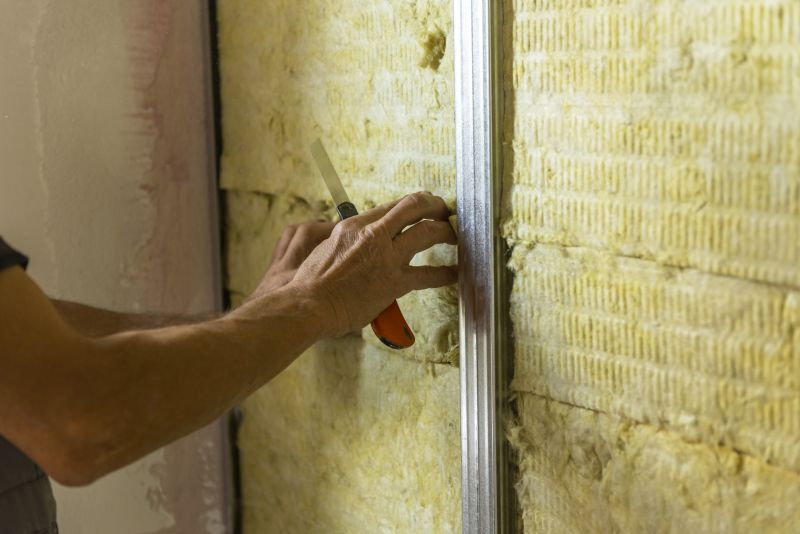
Wall insulation installation involves adding insulating materials to the interior or exterior walls of a property to improve thermal performance. This service typically includes assessing the existing wall structure, selecting appropriate insulation types, and properly installing materials such as fiberglass, foam boards, or spray foam. Proper installation ensures that heat transfer is minimized, helping to create a more consistent indoor temperature and reducing drafts. Homeowners interested in this service often seek it out to enhance overall comfort and to make their homes more energy-efficient.
Installing wall insulation can help address common problems such as uneven heating or cooling, high energy bills, and cold spots within a home. Without adequate insulation, heat can escape during the winter or enter during the summer, leading to increased reliance on heating and cooling systems. This can result in higher utility costs and difficulty maintaining a comfortable environment. Wall insulation also helps reduce noise transmission between rooms and from outside, contributing to a quieter indoor space. Service providers can evaluate existing insulation levels and recommend suitable solutions to improve energy efficiency and comfort.
This type of insulation work is suitable for a variety of property types, including single-family homes, multi-family buildings, and older residences that may not have sufficient insulation. It is especially beneficial during renovations or upgrades when walls are being opened or accessible. Both interior and exterior wall insulation installations can be performed depending on the property’s structure and homeowner preferences. Properties that experience temperature fluctuations or have high energy costs often find this service particularly advantageous.
Homeowners who notice drafts, increased heating or cooling expenses, or inconsistent indoor temperatures might consider wall insulation installation as a practical solution. It is also a good option when undertaking renovation projects or improving older homes that may lack proper insulation. Local contractors can evaluate the specific needs of a property and recommend the best insulation options to enhance comfort and reduce energy waste. Contacting experienced service providers can help determine the most effective approach for improving wall insulation in any residential property.
The overview below groups typical Wall Insulation Installation projects into broad ranges so you can see how smaller, mid-sized, and larger jobs often compare in your area.
In many markets, a large share of routine jobs stays in the lower and middle ranges, while only a smaller percentage of projects moves into the highest bands when the work is more complex or site conditions are harder than average.
Smaller Repairs - For minor insulation fixes or adding insulation in accessible areas, local contractors typically charge between $250 and $600. Many routine jobs fall within this range, though costs can vary based on the size and location of the project.
Partial Insulation Projects - When insulating a specific section of a wall or attic, costs generally range from $1,000 to $3,000. These projects are common and tend to stay within the middle of this range, with fewer projects reaching higher prices.
Full Wall or Attic Insulation - Complete insulation of an entire wall or attic often costs between $3,000 and $7,000. Larger, more complex projects can exceed this range, but most fall into this typical pricing band.
Full Home Insulation Replacement - Replacing insulation throughout an entire home can range from $5,000 to $15,000 or more, depending on the size and scope. While some high-end or extensive projects can reach higher costs, many are completed within this range by local service providers.
Actual totals will depend on details like access to the work area, the scope of the project, and the materials selected, so use these as general starting points rather than exact figures.
Cavity Wall Insulation - local contractors who install insulation within wall cavities to improve energy efficiency and reduce heat loss.
Attic Insulation - service providers experienced in installing or upgrading insulation in attics, which shares similar planning and insulation techniques.
Basement Insulation - professionals who insulate basement walls and floors to enhance thermal performance, utilizing similar tools and methods as wall insulation.
Exterior Wall Insulation - local pros who apply insulation to exterior surfaces, requiring similar planning and application skills as interior wall insulation.
Soundproof Wall Insulation - contractors who install insulation for soundproofing, involving similar material handling and installation processes.
Fire-Resistant Wall Insulation - service providers who install specialized insulation to improve fire resistance, using comparable planning and installation techniques.
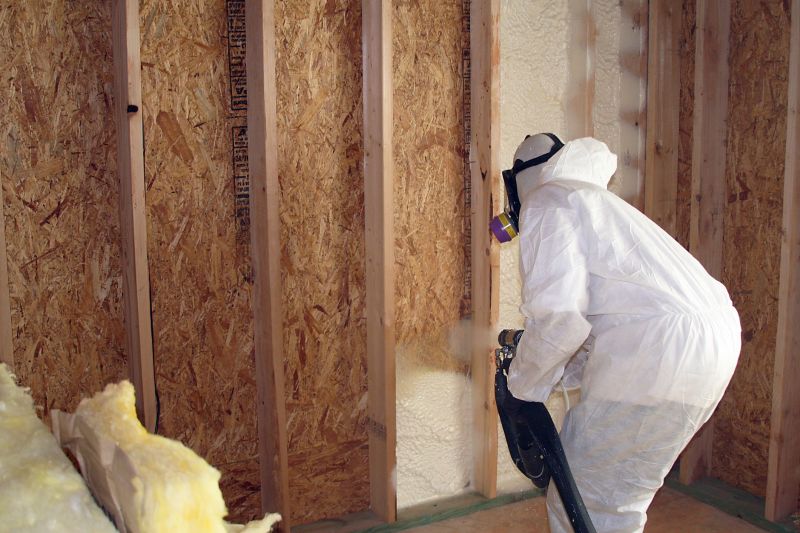
When evaluating local contractors for wall insulation installation, it’s important to consider their experience with similar projects. Homeowners should inquire about how many jobs they’ve completed that resemble their own, paying attention to the types of walls, building structures, or insulation materials used. A contractor with a proven track record in handling projects like yours is more likely to understand potential challenges and deliver quality results. This background can provide confidence that the service provider is familiar with the specific requirements of wall insulation work in your area.
Clear written expectations are essential for a successful project. Homeowners should seek service providers who can provide detailed descriptions of the scope of work, the materials to be used, and the steps involved in the installation process. Having this information in writing helps ensure everyone is aligned on what will be done, reducing misunderstandings or surprises later on. Good communication also involves responsiveness to questions and transparency about processes, which can make the entire experience more straightforward and less stressful.
Reputable references and positive feedback from previous clients are valuable indicators of a contractor’s reliability and quality of work. Homeowners are encouraged to ask potential service providers for references or examples of completed projects similar to their own. Additionally, reputable local contractors tend to have a reputation within the community, which can be verified through reviews or recommendations. Effective communication throughout the project is equally important, as it helps address concerns promptly and keeps the project on track. This approach ensures that homeowners can make informed comparisons and select a service provider capable of meeting their insulation needs.
Property owners use Wall Insulation Installation services for practical projects around their homes and businesses. This guide focuses on everyday jobs and straightforward project options.
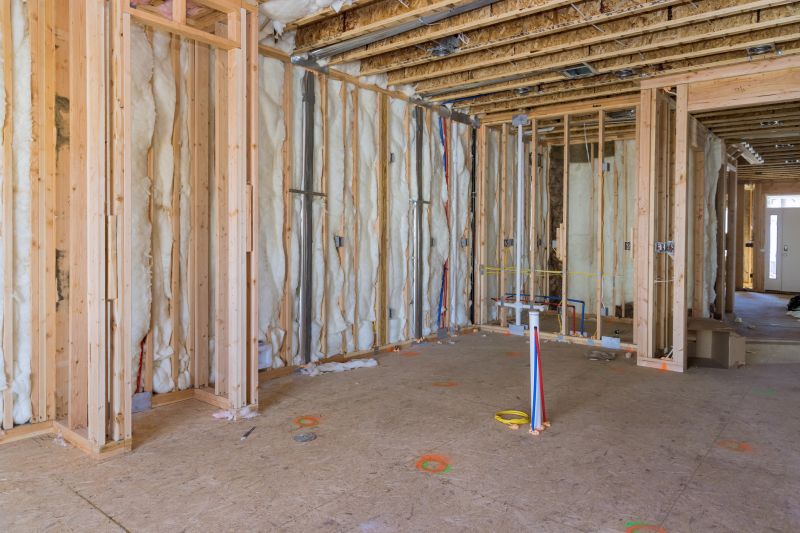
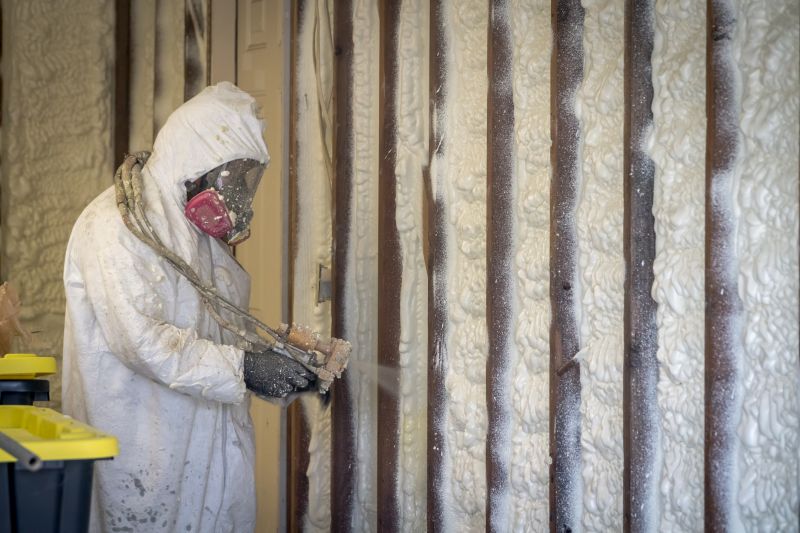
Wall insulation installation is a common project for property owners seeking to improve comfort and reduce energy bills. Many local contractors are experienced in adding insulation to existing walls or installing it during new construction, helping to prevent drafts and maintain consistent indoor temperatures. Homeowners often consider this work when they notice uneven heating or cooling, increased utility costs, or simply want to enhance their property's overall energy efficiency.
Property owners in the area might also look for wall insulation services to address specific concerns such as noise reduction or to meet building codes. Whether updating an older home or upgrading a new property, local service providers can handle various types of insulation materials and installation techniques. Connecting with experienced local contractors can make the process straightforward, ensuring the job is completed effectively to support ongoing comfort and energy savings.
What are the main benefits of insulating walls? Wall insulation can improve energy efficiency, reduce heating and cooling costs, and enhance indoor comfort by maintaining consistent temperatures throughout the year.
How do professionals install wall insulation in existing homes? Local contractors typically access wall cavities through existing or new openings, then insert insulation material to fill the space effectively and ensure proper coverage.
What types of wall insulation materials are commonly used? Common options include fiberglass batts, foam board, spray foam, and mineral wool, each offering different benefits depending on the application and home requirements.
Is wall insulation suitable for all types of walls? Most wall insulation services can be adapted to various wall types, including exterior, interior, and cavity walls, depending on the structure and accessibility.
What should I consider when choosing a local contractor for wall insulation installation? It’s important to review their experience, reputation, and the range of services offered to ensure they can meet specific insulation needs effectively.
Improve Energy Efficiency - Property owners can reduce heating and cooling costs by having a professional install wall insulation, making their home more energy-efficient.
Enhance Comfort - Installing wall insulation can help maintain a consistent indoor temperature, creating a more comfortable living environment year-round.
Reduce Noise Transmission - Wall insulation services can help minimize sound transfer between rooms or from outside, promoting a quieter home.
Prepare for Renovations - When planning home upgrades, property owners might consider wall insulation installation to improve overall building performance.
If you are thinking about Wall Insulation Installation for a property, this guide is meant to help you understand the work, the typical project types, and how different options might fit your plans.
When you are ready, you can use the quote form on this page to share a few details about your project. From there, local pros can review the basics and respond with options that match what you have in mind.